

5 Ways to Foster Positivity in Kids & Teens
As parents, we want our kids to be happy, confident, and always see their cup as half full instead of half empty. We want positive kids not just because life is more manageable when they are in a good mood, but we know the power positivity will have in their life long term.
It’s hard for me to admit, but we tend to have a “glass half empty” home. We have to work hard on a daily basis to fight the self-doubt and have a growth mindset. This was actually much easier in the early years of parenting when my role as mom held more influence. I don’t think this is a unique struggle to my home as we have navigated the tween and teenage years.

In fact, the image most people have of teens is moody, argumentative, and even explosive at times. They often have a general sense that the world is against them and they will never be enough. Ouch! That hurts my momma heart. It may be true to an extent because they are trying to figure out who they are as individuals and those hormones are turbulent for a good decade. They are trying new things and sometimes failing and being rejected at times by peers. No wonder they often default to a negative outlook.
The good news is those developing brains can still be highly influenced (neuroplasticity is the scientific term) and we can help them make more positive neural connections. If you have small children, start now. If you are parenting teenagers, start now.
Here are 5 steps you can take this week to help your kids, tweens, and teens hold the power of positivity:
- Help them celebrate their achievements. Focus their minds on what they do right, what they achieve, good qualities they display, or skills they’ve developed. A friend told me once that my praises should out number my criticism, and that really takes intentionality. Even the small things should be recognized so they know their worth isn’t just in achieving the big things.
- Avoid social comparisons. This may mean getting them off of social media or giving them extra support in the area. In this age of technology, it’s easier than ever to compare yourself to others. Research shows that social media can cause anxiety, loneliness, and depression among teenagers as they watch everyone else’s highlight reels. Younger kids can be just as easily influenced.
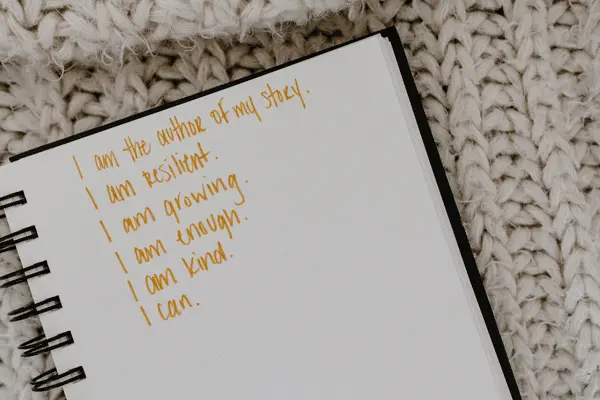
- Speak positive affirmation. This involves writing short affirmations they can stick to their bathroom mirror or anywhere they will visit several times a day. This could just be a short phrase like, “I am enough”, “I choose positivity”, or “I am capable.” Words are powerful. Even if we don’t believe them at first, through repetition we are building new neural pathways that point us to the positive.
- Encourage them to get some exercise. As much as our children would prefer to be in front of screens or are required to sit through hours of homework, encourage them to move. We know exercise leaves us feeling empowered, stronger, and healthier. Thus more positive. This doesn’t mean forcing them to the gym, but finding movement activities that they enjoy – even when it’s hot outside.
- Teach them how to set goals. We all will default to the negative if we feel we are not making progress. Help them set clear goals so when they achieve those goals they can feel the satisfaction of the accomplishment. Over time they will build perseverance, resilience, and a growth mindset. Very small, short-term goals can be best at building positivity.
Research shows that our thoughts can impact our feelings, behavior, and health. When our children have a negative outlook, they are at risk for negative behavior as well as mental health challenges. I see this very obviously when it comes to physical wellbeing every day in my healthcare practice. The good news is: we can support our children in harnessing the power of positivity for their physical and emotional fitness.
That doesn’t mean that our kids can’t have a bad day. We all have disappointments and frustrations and sometimes we have to sit in it for a bit. But at the end of each week we try to chalk up more wins when we do losses. Sometimes this takes more effort and even creativity, but it always makes for a less dramatic home life. Additionally, in taking these steps toward positivity, they are developing mental and physical habits that will help them for life.